Autism Mama: A Designer’s Review for Real Stitching
As an embroidery designer who has spent years digitizing patterns and reviewing thousands of machine embroidery design files, I approach every new asset with a critical eye. It is not just about whether the image looks cute on a screen; it is about how those stitches will behave under the needle, how they will wear after washing, and whether they truly serve the end customer. Recently, I evaluated the Autism Mama design, a piece rooted in the Awareness category, to determine its viability for real-world projects. This is not an iron-on or patch; it is a digital file intended for serious stitching, and my goal was to see if it holds up to professional standards.
First Impressions and Visual Personality
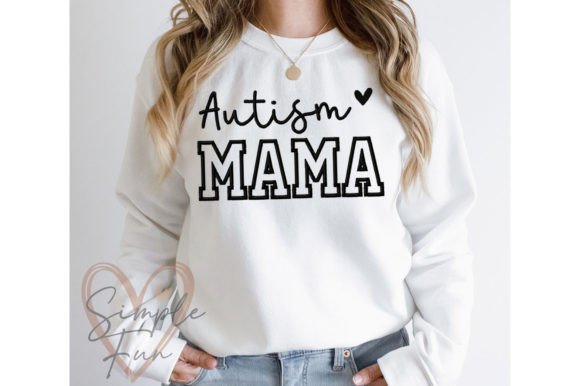
The first thing that strikes you about the Autism Mama design is its emotional clarity. In the world of embroidery, designs that carry a message need to balance legibility with aesthetic appeal. This design avoids the cluttered look that plagues many awareness-themed assets. The layout feels intentional, creating a mood that is both proud and tender. For a designer, this is crucial because the visual personality of the stitch-out dictates the type of product it belongs to. It does not scream for attention with chaotic details; instead, it offers a clean, recognizable shape that translates well across various mediums.
When I loaded the digital embroidery file into my viewer software, I looked immediately at the stitch types. A good design uses a mix of satin stitch for borders and text, and fill stitch for larger areas, ensuring durability without excessive bulk. The Autism Mama pattern appears to respect these principles, suggesting that it would sit flat on fabric rather than puckering or pulling. This initial assessment is vital for anyone planning to use this in a commercial setting where quality control is paramount.
Real-World Application: The Custom Sweatshirt Test
To truly understand the value of a design, you must imagine it on a finished product. I visualized this design on a high-quality, heavyweight cotton sweatshirt. This is a staple item for any Etsy seller or craft business owner. The Autism Mama motif fits naturally on the left chest or centered on the back. Because the design is likely optimized for readability, it works exceptionally well for sweatshirt embroidery where the texture of the fleece can sometimes obscure fine details.
Beyond apparel, I considered its use on a canvas tote bag. Tote bags are popular handmade product items for boutique branding. The sturdy weave of canvas provides an excellent base for the running stitch and satin elements often found in such designs. However, one must be mindful of the stitch density. If the design is too dense, it can make the fabric stiff. In my mental mockup, the design seemed balanced enough to maintain the drape of the bag while providing a clear, professional finish. This versatility makes it a strong candidate for small shop merchandise that needs to appeal to a broad audience.
Navigating Fabric Challenges
While the design shows promise, practical experience teaches us that not all fabrics behave the same. When working with stretchy materials like jersey knits for t-shirts, using the correct stabilizer is non-negotiable. Without proper stabilization, even the best-digitized embroidery file can distort. For the Autism Mama design, I would recommend a cut-away stabilizer for garments that will be washed frequently, ensuring the stitches remain intact and the fabric does not pucker around the edges.
Dark fabrics present another challenge. If you are stitching this onto a navy or black hoodie, you must carefully select your thread colors to ensure contrast. A light blue or vibrant multi-color palette might pop beautifully, but you must test for visibility. Conversely, on light fabrics, subtle shading can get lost. I always advise testing the design on scrap fabric first, ideally in both light and dark backgrounds, to confirm that the details remain crisp and the message is instantly readable.
Commercial Viability and Customer Trust
For commercial embroidery professionals and small business owners, the ultimate metric is customer trust. A poorly stitched design can damage a brand’s reputation. The Autism Mama design, with its clean lines and thoughtful composition, supports a professional presentation. It allows the maker to produce a personalized gift that feels high-value. Customers buying awareness-themed items are often looking for something that honors their identity with dignity and style. A messy or amateurish stitch-out fails to meet that emotional need.
This design also lends itself well to printable mockup creation. Before committing to production, digital product sellers can create realistic previews to gauge buyer engagement. The simplicity of the design means it photographs well, allowing for clear marketing images that highlight the craftsmanship. Whether used for holiday embroidery gifts or year-round custom apparel, the design’s adaptability helps maintain brand consistency across different product lines.
Practical Designer Notes
Before you commit to a large run of finished product items, keep these technical considerations in mind:
- Check Hoop Size: Ensure the design fits comfortably within your machine’s hoop. While it may fit standard sizes, always leave margin for framing.
- Review Stitch Density: High density can cause needle breaks or fabric distortion. Check the file settings if your software allows.
- Test Thread Contrast: Use contrasting thread colors to verify that all elements of the design are visible, especially if using variegated threads.
- Verify Licensing: Since this comes with multiple file formats, confirm the license terms. Most designers allow sale of finished physical items but restrict the resale of the digital file itself.
- Inspect Small Details: Zoom in on the digital preview. Look for any tiny isolated stitches that might pull out during washing.
In conclusion, the Autism Mama design offers a solid foundation for creators looking to produce meaningful, high-quality embroidered goods. It respects the technical constraints of machine embroidery while delivering a powerful visual message. By paying attention to fabric choice, stabilization, and thread selection, you can transform this digital asset into a cherished handmade product that resonates with customers. Always remember to check the specific file formats provided to ensure compatibility with your machine, and never skip the test stitch. Your reputation as a maker depends on the precision of every stitch.