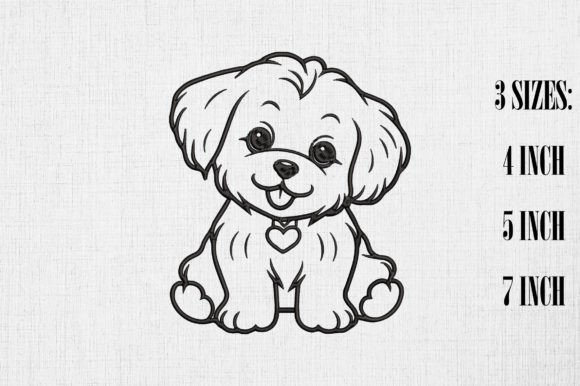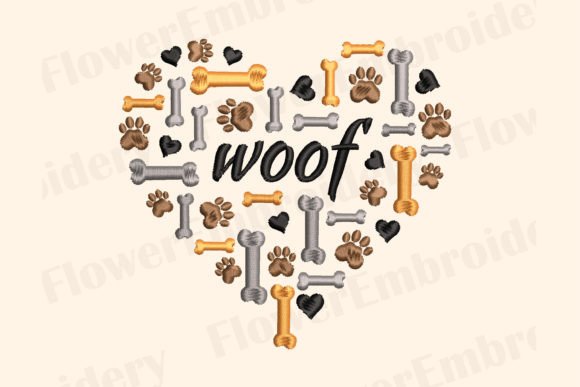
I Love Dog Embroidery Design Review for Craft Fairs
As an embroidery designer who spends weekends behind a booth table, I look at every new machine embroidery design through a very specific lens. It is not just about whether the stitches are clean; it is about whether the design stops a passerby in their tracks. When I first loaded the I Love Dog file into my software, my immediate impression was one of warmth and accessibility. This is not a complex, high-fashion piece meant for a runway. Instead, it feels like a genuine, heartwarming message that fits perfectly into the current trend of pet-centric home goods and accessories. For those of us running a small shop product line or selling as an Etsy seller, this kind of clear, emotional connection is exactly what drives impulse buys.
First Impressions and Market Fit
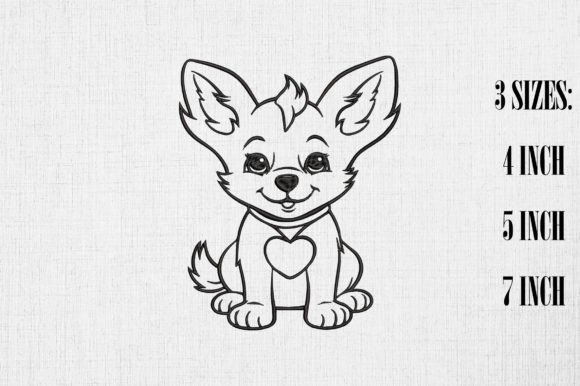
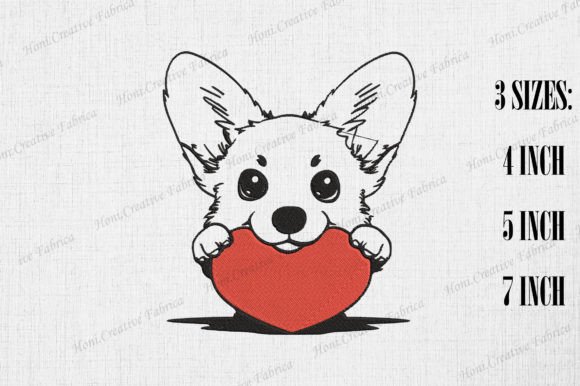
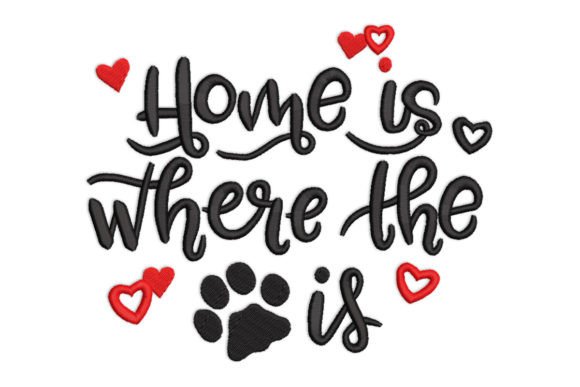
The title itself, I Love Dog, suggests a straightforward, bold statement. In the world of Dogs and Embroidery, simplicity often wins. Customers at a craft fair are scanning dozens of tables. They do not have time to decipher intricate, tiny details from three feet away. This design appears to rely on a strong visual message, likely featuring a heartwarming graphic paired with legible text. Whether the aesthetic leans toward rustic farmhouse, modern minimal, or playful cute, the core value lies in its immediacy. It speaks directly to dog owners, a demographic that is notoriously passionate and willing to spend on items that celebrate their pets.
When evaluating this as a craft fair product, I consider the "glance test." Does it read well from a distance? If the lettering is thick and the iconography is solid, it will stand out on a crowded display wall. This design seems crafted to be an instant conversation starter, allowing buyers to project their own affection for their canine companions onto the item.
Product Applications and Versatility
The true test of any digital embroidery file is its versatility across different substrates. I imagine setting up a booth with a variety of blanks to maximize sales potential. Here is how I Love Dog performs across key categories:
- Tote Bag Design: This is arguably the strongest application. A canvas tote with this design centered on the front becomes an instant bestseller. It is practical, visible, and serves as a walking advertisement for the buyer’s personality.
- Apron Embroidery: For the home cook who loves their pup, an apron adds a layer of charm to the kitchen. The design needs to be positioned carefully to avoid the pocket area, but it adds significant perceived value to a basic cotton apron.
- Tea Towel Embroidery: Kitchen textiles are huge volume sellers. However, texture matters here. If the towel is too plush, the stitches may sink. A flat-weave linen or cotton blend works best to keep the I Love Dog message crisp and readable.
- Embroidered Patch: Creating iron-on or sew-on patches allows customers to customize their own jackets or bags. This extends the life of the design beyond a single product type.
- Caps and Hats: Curved surfaces are tricky. If the design is too wide, it will distort on the front panel of a cap. It must be scaled down appropriately to fit the limited hoop space without losing clarity.
Production Practicalities for Batch Selling
For handmade market products, efficiency is key. We cannot spend hours hooping and trimming every single item if we want to maintain a healthy profit margin. The I Love Dog design appears to be optimized for speed. When reviewing the stitch path, I look for minimal jumps and efficient coverage. A design that is too dense will take longer to stitch and may cause puckering on lighter fabrics. Conversely, a design that is too sparse might look cheap. The balance here seems aimed at a medium stitch density, which is ideal for quick production runs of tote bags and pillow covers.
Photography is another critical factor. This design likely photographs well because of its clear contrast. For your online listings, ensure you use good lighting to highlight the texture of the thread against the fabric. A high-quality printable mockup can help visualize the final look before you even stitch a single thread, saving time on samples that might not sell.
Careful-Use Notes and Technical Considerations
While the design is user-friendly, there are technical pitfalls to avoid. Always check the thread colors against your fabric. If you are stitching on a dark navy tote, using black thread for the outline will result in a loss of detail. High contrast is essential for readability. Additionally, pay attention to small lettering. If the font includes thin serifs or tiny dots, they may not survive the wash cycle or may break during stitching on textured materials.
Fabric texture plays a massive role. On terry cloth towels, the loops can swallow small stitches. In such cases, increasing the stitch count slightly or using a topping stabilizer can help the design sit on top of the fabric rather than sinking in. For curved surfaces like caps, proper hooping technique and a strong backer stabilizer are non-negotiable to prevent distortion of the I Love Dog text.
Designer Checklist for Success
Before you commit to producing a large batch of finished products, follow these steps to ensure quality:
- Test on Scrap Fabric: Never skip the test stitch. Use the exact fabric weight and type you plan to sell.
- Check Hoop Size: Confirm that the design fits comfortably within your standard hoop sizes without requiring constant re-hooping.
- Review Spacing: Ensure there is enough space between elements so that trim threads do not bridge gaps and look messy.
- Inspect Stitch Density: Look for areas that are overly dense, which can cause needle breaks or fabric perforation.
- Use the Right Stabilizer: Match your stabilizer to the fabric stretch and weight. Cut-away for knits, tear-away for wovens.
- Create Real Mockups: Photograph the actual stitched item, not just the digital file, to build trust with buyers.
- Confirm Commercial Licensing: Always verify the license terms of the design assets you purchase. Ensure you have the right to sell physical items made with the file.
Enhancing Brand Consistency and Visual Appeal
Incorporating I Love Dog into your product line can strengthen your brand identity if you position it correctly. It signals that your shop understands the emotional bond between humans and pets. This emotional resonance increases buyer engagement. When customers see a product that reflects their values, they are more likely to pick it up, examine it, and ultimately purchase it. The design acts as a anchor for your booth display, drawing in dog lovers who might then browse your other items.
Ultimately, this commercial embroidery file offers a solid return on investment due to its broad appeal and ease of production. It is not trying to be everything to everyone; it is targeting a specific, passionate niche with a clear, loving message. By focusing on high-contrast fabrics, proper stabilization, and strategic product placement, you can turn this simple design into a staple of your handmade inventory. Remember, the goal is not just to sell a stitched item, but to sell a feeling of joy and companionship. That is what makes I Love Dog a winner for craft fairs and online shops alike.