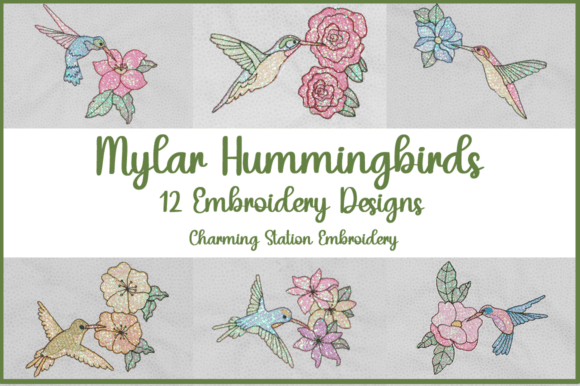
Mylar Hummingbirds: A Designer’s Craft Fair Review
As an embroidery designer who has spent countless weekends behind a booth table, I know that not every machine embroidery design translates into a bestseller. Some designs are technically perfect but visually quiet, while others have the "wow" factor that stops shoppers in their tracks. Recently, I evaluated Mylar Hummingbirds with a specific goal in mind: determining its viability for high-traffic craft fair products and handmade market inventory. This set features 12 lovely hummingbird and flower designs, optimized for use with Mylar, offering a unique texture and shine that standard thread simply cannot replicate.
First Impressions and Visual Appeal
The immediate impression of Mylar Hummingbirds is one of elegant whimsy. The combination of delicate Birds imagery with the reflective quality of Mylar creates a premium look that feels both modern and decorative. Unlike flat thread work, Mylar adds dimension and light reflection, which is crucial for catching the eye in a busy convention center or outdoor market. The designs do not feel rustic or farmhouse; instead, they lean toward a sophisticated, boutique aesthetic. This makes them ideal for customers looking for giftable handmade items that feel special and slightly luxurious.
For an Etsy seller or small shop product line, this visual distinction is vital. When scrolling through digital listings, the shimmer of Mylar in a printable mockup or real-life photo stands out against standard satin stitches. It signals higher effort and higher value, allowing you to price your finished product accordingly.
Strategic Product Placement for Maximum Sales
To maximize the impact of this embroidery file, we must choose substrates that complement the reflective nature of Mylar. Here is how these designs perform across various craft fair staples:
- Tote Bag Design: A canvas tote with a large central hummingbird becomes an instant statement piece. The durability of canvas supports the stabilizer needed for Mylar, and the size allows the intricate flower details to shine.
- Apron Embroidery: Placing a smaller design on the bib of a linen apron adds a touch of charm without overwhelming the garment. It appeals to home cooks who appreciate artistic kitchenware.
- Tea Towel Embroidery: This is a tricky but rewarding application. Ensure the fabric texture is smooth enough to prevent the Mylar from snagging. A corner placement works best here, creating a subtle accent rather than a bulky focal point.
- Embroidered Patch: These designs can be hooped on felt or twill to create iron-on patches. The Mylar adds a jewel-like quality that makes simple patches feel like collectibles.
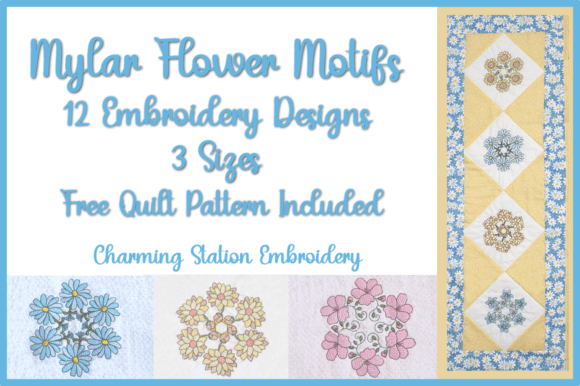
- Pillow Covers: As suggested by the product description, these 12 designs make a beautiful lap or bed quilt. Translating this to pillow covers allows customers to buy a single accent piece for their home decor.
While the description mentions these would be delightful on a sweatshirt, caution is advised. Sweatshirts often have a fuzzy texture that can obscure fine details. If you choose this route, opt for a high-quality, smooth fleece and ensure the hoop size is large enough to accommodate the full spread of the wings without distortion.
Production Practicality and Batch Efficiency
For commercial embroidery producers, repeatability is key. Having 12 distinct designs in one set is a significant advantage. It allows for batch production where you can embroider multiple items simultaneously or offer variety without sourcing new files. However, working with Mylar requires precision. You must check stitch density carefully. If the underlying satin stitches are too dense, the fabric may pucker; if too loose, the Mylar may not adhere smoothly.
When preparing for a weekend craft fair booth, I recommend creating a mix of products. Use the larger designs for high-ticket items like quilt blocks or large tote bags, and the smaller floral accents for lower-priced impulse buys like pouches or bookmarks. This tiered pricing strategy helps move inventory faster.
Careful-Use Notes for Designers
Before committing to a large production run, consider these technical constraints:
- Fabric Texture: Avoid highly textured towels or rough burlap. Mylar needs a smooth surface to lay flat and reflect light properly.
- Dark Fabric: While Mylar shines on dark backgrounds, ensure your thread colors contrast well. A dark thread on dark fabric might get lost, leaving only the Mylar visible, which can look incomplete if the outline stitches are meant to define the shape.
- Curved Surfaces: Embroidering on caps requires careful stabilization. The curved surface can cause registration issues with intricate Mylar layers. Test extensively on scrap fabric before using customer goods.
- Small Details: Tiny lettering or extremely fine flower petals may lose clarity if scaled down too much. Always verify the minimum viable size for each of the 12 designs.
Enhancing Brand Consistency and Buyer Engagement
Using Mylar Hummingbirds consistently across your product line strengthens brand identity. If your shop focuses on nature-inspired, high-quality handmade products, this design asset reinforces that message. Customers engage more with products that tell a story or offer a sensory experience. The tactile difference of Mylar invites touch, which is a powerful sales tool in person.
For online sellers, investing time in creating a real mockup is essential. Do not rely solely on generic previews. Stitch out the design on the actual fabric you intend to sell, photograph it in natural light to capture the shimmer, and use those images in your Etsy listings. This transparency builds trust and reduces return rates.
Final Designer Recommendations
Before you launch your new collection, follow these critical steps:
- Test on Scrap Fabric: Never skip this step. Check for thread breaks and Mylar tearing.
- Check Thread Contrast: Ensure your chosen thread colors complement the Mylar rather than competing with it.
- Review Spacing: Confirm that the design elements are balanced within the hoop size you plan to use.
- Inspect Stitch Density: Adjust tension if necessary to prevent puckering, especially on lighter fabrics.
- Use the Right Stabilizer: Mylar often benefits from a cut-away stabilizer for long-term durability, especially on items that will be washed frequently like tea towels or sweatshirts.
- Confirm Commercial Licensing: Always verify the license terms included with the digital embroidery file. Ensure you are cleared to sell finished products made with these designs.
In conclusion, Mylar Hummingbirds is a strong contender for craft fair success. It offers the visual pop needed to stand out in a crowded market while providing the versatility required for diverse product applications. By respecting the technical nuances of Mylar and choosing the right substrates, you can transform this design set into a profitable and beautiful segment of your handmade business.