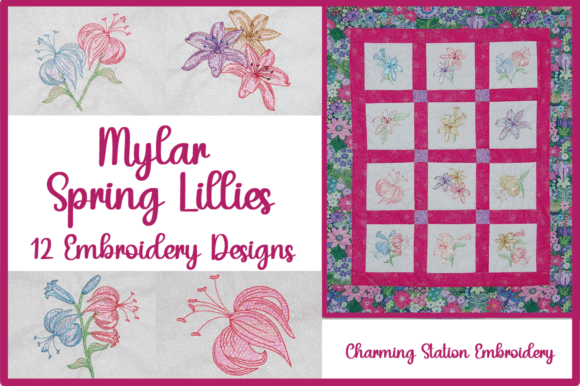
Mylar Spring Lilies: A Designer’s Review for Business Merch
As an embroidery designer who has spent years helping small businesses translate their brand identity into thread, I approach every new machine embroidery design with a critical eye. It is not just about whether a motif looks pretty on a screen; it is about how it performs on fabric, how it holds up in the wash, and how it elevates a client’s brand. Recently, I reviewed Mylar Spring Lilies, a piece from the Single Flowers category that promises versatility for branded patch use and custom apparel. Here is my professional assessment of how this design functions in a real-world commercial embroidery setting.
Visual Personality and First Impressions
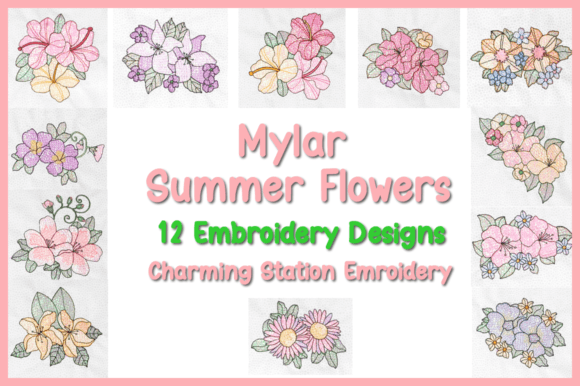
The artist who created this set called these “Calla Lilies” but these are really Day Lilies or Star Lilies. Did you know that there are four basic types of lilies There are down-facing, out-facing, up. This botanical accuracy matters more than you might think when selecting assets for a boutique or florist. The visual personality of Mylar Spring Lilies leans toward elegant and organic rather than rigid or corporate. It feels handmade yet refined, making it an excellent choice for brands that want to project warmth and authenticity.
For a bakery, a local florist, or a creative studio, this design offers a softness that balances well with modern typography. It does not scream for attention with aggressive boldness; instead, it invites closer inspection. This subtlety is crucial for high-end merchandise where the goal is to enhance perceived value without overwhelming the garment or accessory.
Real-World Applications for Small Business Merch
When I evaluate a digital embroidery file for business use, I imagine it on various substrates. Mylar Spring Lilies shines in several key areas of small business merchandising:
- Embroidered Patches: This is perhaps the strongest application. The floral shape lends itself beautifully to die-cut or merrowed edge patches. These can be sold as standalone products on Etsy or used as branded add-ons for clothing orders.
- Apron Embroidery: For cafes and boutiques, staff uniforms are walking billboards. Placing this lily design on the chest pocket or lower corner of an apron adds a touch of professionalism and care. It signals to customers that the business values aesthetics.
- Tote Bag Design: Canvas totes are a staple for retail shops. The organic lines of the lily contrast nicely with the coarse texture of canvas, creating a rustic-chic look that appeals to eco-conscious consumers.
- Cap Embroidery: While possible, this requires careful scaling. A simplified version of the lily could work on the side panel of a dad hat, offering a subtle branding element that differs from the typical block-letter logos.
Using Mylar Spring Lilies as part of your design assets allows for consistency across different product lines. Whether it is on a gift box label or stitched directly onto a linen napkin, the motif reinforces brand recognition through visual repetition.
Technical Considerations and Production Notes
Before running a full production batch, any experienced embroiderer knows that testing is non-negotiable. Here are my practical notes for working with this specific floral design:
- Check Stitch Density: Floral designs can sometimes suffer from high stitch density, which causes puckering on lightweight fabrics. Always check the density settings in your software. If the design is too dense for a thin cotton tee, consider using a cut-away stabilizer to support the fabric.
- Test on Real Fabric: Do not rely solely on a printable mockup. Thread colors interact with fabric texture in unpredictable ways. Test the design on the exact material you plan to use for the finished product, whether it is denim, twill, or jersey.
- Scale for Visibility: Ensure the design remains recognizable at smaller sizes. If you are using it for a small chest logo, verify that the delicate petals do not merge into a blob of thread. You may need to simplify the design or increase the size slightly to maintain clarity.
- Thread Color Contrast: Since lilies are often white or pale yellow, ensure you have sufficient contrast against dark uniforms. Using a metallic or variegated thread can add depth, but solid colors often read better from a distance.
- Hoop Size and Placement: Confirm the required hoop size before purchasing. For cap embroidery, you will need a specialized cap frame. For tote bags, a larger hoop may be necessary to keep the fabric taut and prevent distortion.
Brand Identity and Customer Trust
In the world of commercial embroidery, details build trust. A sloppy stitch-out or a poorly chosen design can undermine a brand’s credibility. Conversely, a well-executed floral motif like Mylar Spring Lilies enhances the perceived quality of the item. It suggests that the business owner cares about the details, which translates to customer confidence in the core product or service.
For handmade brands, this design supports the narrative of craftsmanship. It moves the product away from mass-produced genericism and toward something unique and curated. When customers see consistent, high-quality embroidery on their purchases, they are more likely to engage with the brand on social media and recommend it to others.
Where to Use Caution
While versatile, this design is not a one-size-fits-all solution. Avoid using it on items that require frequent industrial washing unless you have tested its durability extensively. Also, be cautious with very textured fabrics like heavy wool or looped towels, where fine details can get lost. If your brand identity is strictly minimalist or ultra-modern, ensure that the organic nature of the lily aligns with your overall visual strategy.
Finally, always confirm commercial licensing before business use. Just because a file is purchased does not automatically grant the right to resell the embroidered item in some cases. Read the terms carefully to ensure you are compliant when creating small business merch.
Final Verdict
Mylar Spring Lilies is a strong contender for businesses looking to add a touch of natural elegance to their branded goods. It performs well as an embroidered patch, apron accent, or tote bag feature. By paying attention to stitch density, fabric choice, and proper stabilizer use, you can transform this digital file into a tangible asset that drives brand loyalty. For embroidery shops and crafters, it offers a reliable, aesthetically pleasing option that bridges the gap between decorative art and functional branding.