What the Elf: A Designer’s Honest Review
As an embroidery designer who has spent countless hours digitizing and stitching out holiday motifs, I approach every new machine embroidery design with a critical eye. The holiday season is notoriously busy for small business owners and Etsy sellers, so choosing the right design assets is not just about aesthetics; it is about efficiency, stitch quality, and marketability. Recently, I evaluated What the Elf from Creative Fabrica to determine if it truly deserves a spot in my commercial workflow. This review breaks down the visual appeal, technical performance, and practical application of this festive motif.
First Impressions and Visual Mood
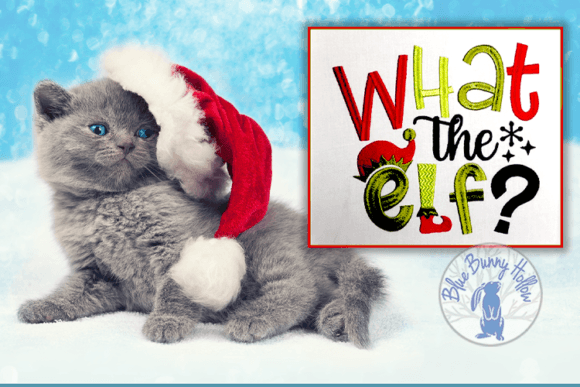
The first thing that strikes you about What the Elf is its playful personality. Introducing our Ho-Ho-Humor Christmas embroidery design, the jolliest addition to your holiday décor, this festive design stitches together merriment and laughter with a side of seasonal silliness. In a market saturated with traditional holly and solemn nativity scenes, a design that leans into humor stands out. The visual mood is lighthearted and whimsical, making it an excellent choice for customers looking for something less formal and more fun.
From a design perspective, the balance between detail and stitchability appears well-considered. The character likely features a mix of satin stitch for smooth outlines and fill stitch areas for body coverage. This combination is crucial for creating a professional look without excessive bulk. The decorative appeal lies in its ability to convey emotion through simple shapes, which is a hallmark of effective Christmas themed art. For embroidery designers, this means the design can scale reasonably well without losing its charm, provided the minimum size requirements are respected.
Real-World Application for Handmade Products
When considering What the Elf for real projects, versatility is key. This embroidery file is not limited to a single product type. Here is how it performs across various handmade items:
- Custom Apparel: The design works beautifully on sweatshirts and hoodies. The humorous nature of the elf makes it a hit for family matching sets or casual holiday parties. When applied as sweatshirt embroidery, ensure you use a cut-away stabilizer to support the weight of the stitches on stretchy fabric.
- Tote Bags and Aprons: As a tote bag design, it adds a pop of personality to canvas materials. For aprons, which often undergo frequent washing, the durability of the stitch path is essential. The design’s structure suggests it can hold up well if stitched with high-quality polyester threads.
- Home Décor: Pillow covers and kitchen towels benefit from the compact nature of this motif. It serves as a focal point without overwhelming the fabric. For nursery decor, the silly aspect of the elf appeals to children, making it a great choice for baby blankets or wall hangings.
- Embroidered Patches: If you plan to create iron-on or sew-on patches, this design is ideal. The clear outlines allow for clean cutting after stitching. Use a heavy-duty stabilizer and consider a satin stitch border to prevent fraying edges.
For Etsy sellers and craft fair vendors, What the Elf offers strong giftability. It transforms a standard item into a personalized gift that feels thoughtful and unique. The humor element encourages social sharing, which can boost customer engagement and brand visibility online.
Technical Considerations and Stitch Performance
While the visual appeal is strong, technical execution determines the success of the finished product. Here are critical factors to consider before loading this digital embroidery file onto your machine:
Fabric and Stabilizer Selection: The performance of What the Elf depends heavily on the substrate. On dark fabrics, you must check thread color contrast carefully. Lighter threads may require an underlay or a backing fabric to prevent the base color from showing through. For textured fabrics like terry cloth towels, use a topping stabilizer to keep the stitches from sinking into the pile. On stretchy fabrics, such as jersey knits for caps or t-shirts, a cut-away stabilizer is non-negotiable to prevent distortion.
Hoop Size and Placement: Always confirm the hoop size required for the specific version of the file you download. If the design includes tiny lettering or intricate details, ensure your machine can handle the resolution. Curved surfaces, like cap fronts, require careful hooping and possibly a frame adapter to maintain proper tension. Misalignment on a curved surface can ruin the symmetry of the elf’s features.
Stitch Density and Washability: Dense stitch areas can make fabric stiff and prone to puckering. Review the stitch density in your embroidery software if possible. For items like baby blankets or kitchen towels that need frequent washing, test the design on scrap fabric first. Inspect small details after stitching and washing to ensure no threads loosen or colors bleed. This step is vital for maintaining buyer trust and reducing returns.
Enhancing Product Value and Brand Consistency
Incorporating What the Elf into your product line can significantly affect perceived value. A well-executed commercial embroidery piece signals quality craftsmanship. When customers see clean stitch lines, proper tension, and thoughtful color choices, they are more likely to trust your brand. This design allows for creative freedom in thread selection. You might choose traditional reds and greens for a classic look, or opt for pastels and metallics for a modern twist.
For digital product sellers, creating printable mockup images using this design can help visualize the final result for customers. High-quality photos of the embroidered elf on different products can drive sales by showing versatility. Consistency in presentation across your shop helps build a recognizable brand identity. Whether you are selling custom apparel or home goods, the cohesive use of such festive motifs can tie your seasonal collection together.
Practical Steps Before Commercial Use
Before listing any handmade product featuring What the Elf, take these practical steps:
- Test on Scrap Fabric: Never stitch directly on your final product without a test run. This allows you to adjust tension and check for thread breaks.
- Verify Licensing: Check the product details on the Creative Fabrica page. Ensure the license covers commercial use for physical items if you plan to sell finished goods. Do not assume; always read the terms.
- Check File Compatibility: Confirm that the embroidery file formats provided match your machine’s requirements. Common formats include PES, DST, and JEF, but availability varies.
- Inspect Details: After stitching, inspect the elf’s facial features and any text. Ensure there are no loose jumps or messy trims. Clean up any remaining threads for a polished look.
In conclusion, What the Elf is a charming and versatile addition to any holiday embroidery collection. Its blend of humor and festive spirit makes it suitable for a wide range of applications, from applique design elements on onesies to bold statements on tote bags. By paying attention to technical details like stabilizer choice and stitch density, you can ensure high-quality results that delight customers and enhance your brand’s reputation. As with any Creative Fabrica embroidery purchase, due diligence in testing and licensing verification is the key to successful commercial use.