Kitchen Tools: A Designer’s Review for Personalized Gifts
As an embroidery designer who has spent countless hours testing digital files against real-world fabrics, I approach every new machine embroidery design with a mix of curiosity and caution. When I first loaded the Kitchen Tools file into my software, I was looking for more than just cute imagery; I was looking for versatility. In the world of personalized gifts, a design must do heavy lifting. It needs to look charming on a small baby bib yet sophisticated enough for a wedding registry item. After stitching out several samples, I can confidently say that this design brings a delightful touch of whimsy and charm to any project it touches.
First Impressions: Mood and Emotional Appeal
The immediate feeling evoked by Kitchen Tools is one of warmth and domestic joy. It does not feel overly modern or starkly minimalist, nor does it feel dated. Instead, it strikes a balance that feels handmade and heartfelt. For customers seeking a personalized gift, this emotional connection is vital. The design suggests a home filled with love, cooking, and gathering. This makes it an excellent candidate for housewarming presents, bridal showers, or even as a sweet accent in a nursery where parents want to instill a sense of cozy tradition.
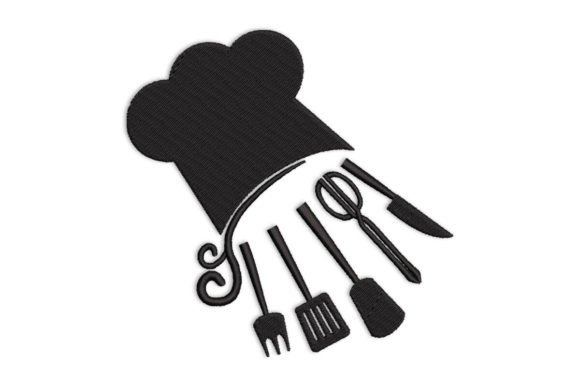
The detail level is sufficient to be recognizable without being so dense that it becomes stiff. This is crucial for items like embroidered towel sets or lightweight cotton aprons, where too much thread can ruin the drape of the fabric. The whimsical nature of the tools depicted adds a playful element that appeals to a wide demographic, from young couples setting up their first home to grandparents who cherish family meals.
Versatility Across Product Categories
One of the strongest assets of this embroidery file is its adaptability. I tested it across several common products found in small shops and Etsy listings. Here is how it performs in different contexts:
- Baby Embroidery: When scaled down, the design works beautifully on burp cloths and bibs. It offers a gender-neutral charm that fits well in modern nurseries.
- Wedding Gift: Stitched onto high-quality linen tea towels, it becomes a sophisticated keepsake. Pairing it with the couple’s initials elevates it from a simple kitchen item to a cherished wedding gift.
- Home Decor: On a pillow cover or a tote bag, the design adds a pop of personality. It transforms a plain canvas tote into a unique statement piece for grocery runs or farmers' market visits.
- Blanket Embroidery: While delicate, the design can serve as a corner accent on a baby blanket, provided the stabilizer is chosen carefully to support the weight of the stitches.
For Etsy sellers and small shop product creators, this versatility means you can create multiple listings from a single purchase. You can offer custom embroidery services for aprons, oven mitts, and wall hangings, maximizing the return on your digital investment.
Navigating Technical Challenges
While Kitchen Tools is charming, practical application requires attention to detail. Not every fabric behaves the same way, and certain conditions demand extra care. Here are specific scenarios where you should proceed with caution:
- Textured Fabric: If you are stitching on waffle-weave towels or thick terry cloth, the smaller details of the design might get lost. Always check the stitch density relative to the fabric texture. A denser stitch pattern may be needed to ensure visibility on plush surfaces.
- Stretchy Materials: For baby clothes or knit aprons, the hoop tension must be perfect. Using a cut-away stabilizer is often safer than tear-away to prevent distortion after washing.
- Dark Fabric: If you plan to stitch on navy or black linens, ensure your thread colors have high contrast. Pastel threads may vanish against dark backgrounds, ruining the visual impact of the finished product.
- Curved Surfaces: Stitching on curved items like mug cozies or rounded pillow edges requires careful hooping. Misalignment here can make the design look skewed, reducing the perceived quality of the handmade product.
It is also important to note that the product description mentions the file comes with "mu," which likely refers to multiple formats or sizes, but the exact details are truncated. Therefore, I strongly advise checking the specific file formats included before purchasing to ensure compatibility with your machine. Confirm the hoop size requirements as well, as some larger versions of the design may require a 5x7 or 6x10 hoop, while smaller iterations might fit in a 4x4.
Enhancing Perceived Value and Trust
In the competitive market of commercial embroidery, perceived value is everything. A well-executed Kitchen Tools design signals quality. When customers see clean stitch lines and thoughtful placement, their trust in your brand grows. This design aids in product photography because its whimsical nature photographs well in lifestyle settings. Imagine a sunlit kitchen counter with a freshly stitched towel; the image sells the emotion, not just the thread.
For digital embroidery file sellers, offering a printable mockup alongside the design can help buyers visualize the end result. However, for those selling the finished product, the tactile experience is key. The softness of the thread against the fabric, combined with the charming motif, creates an emotional bond between the giver and the receiver. This is what turns a one-time buyer into a loyal customer.
Practical Steps for Best Results
Before listing Kitchen Tools in your shop or fulfilling a custom order, follow these professional steps:
- Test on Scrap Fabric: Never stitch a final product without a test run. Use the same type of fabric and stabilizer you intend to use for the customer.
- Check Thread Contrast: Lay your thread spools against the fabric before threading the machine. Ensure the colors pop and complement the design’s mood.
- Review Stitch Density: If the design feels too stiff after stitching, consider using a lighter weight stabilizer or adjusting the tension.
- Confirm Commercial Licensing: Always verify the license terms provided with the download. Ensure you have the right to sell items made with this custom embroidery design.
- Inspect Small Details: After stitching, examine the fine lines of the kitchen tools. If they are breaking or bunching, your needle may be dull, or the stabilizer may be insufficient.
In conclusion, Kitchen Tools is a versatile and emotionally resonant addition to any embroidery designer’s library. It bridges the gap between playful and elegant, making it suitable for a wide range of personalized gifts. By paying attention to fabric choice, stabilizer selection, and stitch quality, you can create stunning items that delight customers and enhance your brand’s reputation for quality craftsmanship. Whether you are creating a baby embroidery piece or a sophisticated wedding gift, this design offers the charm and reliability needed for successful small business products.