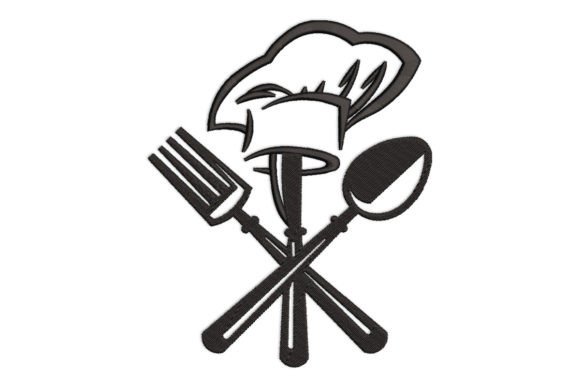
Reviewing the Chef Hat, Knife, Fork, and Spoon Design
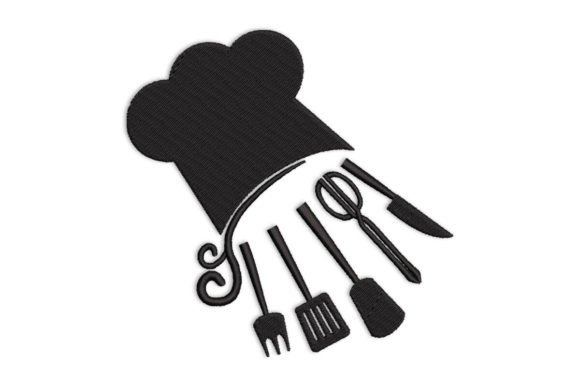
As an embroidery designer who has spent years digitizing files for small businesses, I approach every new machine embroidery design with a critical eye. It is not just about whether a motif looks cute on a screen; it is about how it performs under the needle, how it translates to a physical product, and ultimately, how it serves the brand identity of the client. Recently, I evaluated the Chef Hat, Knife, Fork, and Spoon design for potential use in commercial projects. This review focuses on its viability for small business merchandise, branded patches, and professional apparel.
First Impressions: Visual Personality and Brand Fit
The immediate impression of the Chef Hat, Knife, Fork, and Spoon motif is one of classic culinary professionalism mixed with a touch of whimsy. Unlike abstract logos that require explanation, this design communicates its purpose instantly. It feels friendly yet established, making it an excellent choice for bakeries, boutique cafés, catering services, and home-cooking brands. The combination of these four iconic kitchen tools creates a balanced composition that suggests both elegance and utility.
For handmade brands and Etsy sellers, this visual language is crucial. Customers often buy with their eyes first. A design that clearly signals "kitchen" or "dining" reduces cognitive load for the buyer. Whether you are selling aprons, kitchen towels, or custom tablecloths, this imagery adds a layer of context that pure text cannot achieve. It feels decorative enough to be charming but structured enough to remain professional.
Real-World Application for Small Business Merch
The true test of any digital embroidery file is its versatility across different substrates. Here is how I envision the Chef Hat, Knife, Fork, and Spoon performing in real-world business scenarios:
- Staff Uniforms and Aprons: This is the most obvious application. Embroidered directly onto the chest pocket or upper left corner of an apron, it establishes immediate authority. For a bakery or restaurant, it turns a standard uniform into a branded asset. The design works well here because the shapes are distinct even from a distance.
- Embroidered Patches: Creating iron-on or sew-on patches is a trending revenue stream for crafters. This design’s compact nature makes it ideal for circular or shield-shaped patches. You can produce these in batches and sell them as add-ons to customers who want to customize their own gear.
- Cap Embroidery: Placing this motif on the front panel of a baseball cap or chef’s hat requires precision. The horizontal spread of the knife, fork, and spoon needs to be checked against the cap’s curvature. If scaled correctly, it serves as a subtle yet effective logo accent.
- Tote Bag Design: Canvas tote bags are popular for farmers' markets and grocery runs. The sturdy fabric handles higher stitch counts well, allowing the details of the chef’s hat pleats and cutlery handles to shine without distortion.
- Product Packaging Accents: Small embroidered tags attached to handmade jams, spice blends, or baked goods can feature this design. It elevates a simple jar into a premium, gift-ready item.
Technical Considerations and Stitch Density
While the concept is strong, execution depends on technical factors. As a designer, I always advise checking the stitch density before running a full production batch. Kitchen items like aprons and towels undergo frequent washing and high heat. If the stitch density is too low, the design may pucker or lose shape over time. Conversely, if it is too dense, it can create a stiff patch that feels uncomfortable against the skin.
You must also consider thread colors. A monochrome version in white thread on a navy apron looks crisp and high-end. However, using multiple colors to differentiate the hat from the cutlery requires precise registration. Always run a test stitch-out on the actual fabric you intend to use. Fabric texture plays a significant role; a terry cloth towel will swallow fine details, while a smooth twill apron will showcase them beautifully.
Another critical factor is the hoop size. Ensure the design fits comfortably within your machine’s hoop without requiring excessive re-hooping, which can lead to misalignment. If the design includes tiny lettering or intricate outlines, verify that these elements do not merge during stitching. Simplified versions often perform better on curved surfaces like caps or sleeves.
Enhancing Brand Identity and Customer Trust
Consistency is key to building brand identity. Using the Chef Hat, Knife, Fork, and Spoon across various touchpoints creates a cohesive visual story. When a customer sees the same emblem on your website, your packaging, and your staff’s uniforms, it builds trust. It signals that you are a legitimate, established business rather than a hobbyist.
For small business owners, this design acts as a seal of quality. An embroidered logo feels more permanent and valuable than a printed one. It suggests durability and care. This perception allows you to charge a premium for your products. Whether it is a custom apron or a branded tote, the tactile nature of embroidery adds perceived value that customers are willing to pay for.
Practical Designer Notes for Production
Before you commit to a large order of custom apparel or merchandise, follow these practical steps:
- Test in Black and White: Convert the design to grayscale in your software. If the elements blend together without color contrast, the design may lack definition. Adjust spacing if necessary.
- Check Scalability: Resize the design to the smallest intended application, such as a 2-inch patch. Ensure the chef’s hat does not become a blob and the cutlery remains recognizable.
- Use Proper Stabilizer: For stretchy fabrics like t-shirts, use a cut-away stabilizer. For woven aprons, a tear-away may suffice. The right stabilizer prevents puckering and ensures the finished product lies flat.
- Create a Printable Mockup: Before stitching, place the digital file onto a photo of your product. This helps clients visualize the final result and approve the placement.
- Verify Commercial Licensing: Always confirm that the embroidery file comes with a commercial license. Using a design for business purposes without proper rights can lead to legal issues. Check the terms provided by the creator.
- Compare with Other Assets: Place this design next to your existing logo or font choices. Does it complement your current aesthetic, or does it clash? Visual consistency strengthens brand recognition.
Final Verdict for Crafters and Decorators
The Chef Hat, Knife, Fork, and Spoon is a versatile asset for anyone in the culinary or handmade space. It bridges the gap between functional kitchenware and stylish branding. While it requires careful attention to stitch density and fabric choice, its potential for enhancing small business merch is significant. From apron embroidery to tote bag designs, it offers a professional finish that resonates with customers. By treating this design as a core part of your brand’s visual toolkit, you can create memorable, high-quality products that stand out in a crowded market. Always prioritize testing and quality control to ensure every stitched piece reflects the professionalism your brand represents.