Mexican Style Border: A Designer’s Review for Small Business Merch
As an embroidery designer who has spent years digitizing and testing files for commercial use, I approach every new machine embroidery design with a critical eye. It is not just about whether a pattern looks pretty on a screen; it is about how it performs in the real world of small business merchandise. Recently, I reviewed the Mexican Style Border, a vibrant addition to the Borders category that promises versatility across various fabrics. For boutique owners, Etsy sellers, and apparel decorators, this review breaks down how this specific embroidery file can elevate your branded products while highlighting the technical considerations you must address before production.
First Impressions: Visual Personality and Brand Fit
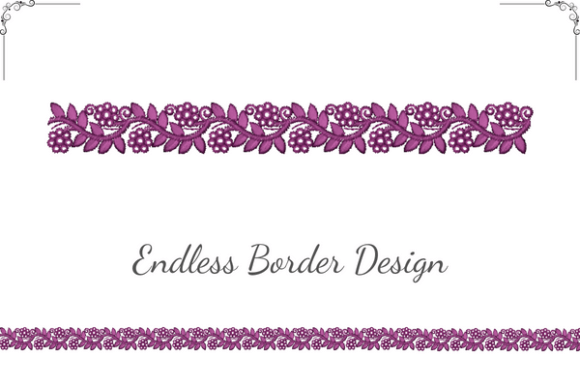
The immediate appeal of the Mexican Style Border lies in its inherent warmth and cultural richness. The description notes that it adds a "colorful look" to pillows, towels, apparel, or home decor, which aligns perfectly with current trends in handmade and artisanal markets. Visually, this design feels playful yet structured, offering a decorative flair that suggests a handmade quality without looking amateurish. For brands aiming to project a friendly, rustic, or bohemian identity, this border serves as an excellent visual anchor. It does not scream corporate stiffness; instead, it invites engagement, making it ideal for creative studios, bakeries, florists, and local businesses that want to appear approachable and community-focused.
However, from a professional standpoint, "colorful" can be a double-edged sword. While the design is described as wonderful for any fabric, the success of the aesthetic relies heavily on your choice of thread colors. A poorly chosen palette can make the design look chaotic rather than curated. Therefore, the first step in integrating this into your brand identity is to map the design’s potential colorways against your existing logo and brand guidelines.
Real-World Applications for Small Business Merch
The true value of a border design like this is its adaptability. In my experience, borders are often underutilized as mere edges, but when applied strategically, they become powerful branding tools. Here is how I envision the Mexican Style Border performing in various commercial contexts:
- Embroidered Patches: This is perhaps the most lucrative application. By isolating sections of the border or using the full length, you can create unique, sellable embroided patch products. These work exceptionally well for iron-on additions to denim jackets or canvas bags, appealing to the DIY crowd and festival-goers.
- Apron Embroidery: For cafes, bakeries, and craft workshops, staff uniforms are walking billboards. Placing this border along the bottom hem or the pocket edge of an apron adds a touch of elegance and professionalism. It distinguishes your staff from competitors and enhances the perceived value of your service.
- Tote Bag Design: Canvas tote bags are a staple for eco-conscious brands. Running this border along the top edge or the side seam transforms a generic bag into a premium handmade product. It provides a finished look that customers appreciate, encouraging them to use the bag daily, which increases brand visibility.
- Cap Embroidery: While challenging, using a simplified version of this border on the visor or the back strap of a cap can add a subtle detail that sets your headwear apart. It works best for brands with a relaxed, lifestyle-oriented image.
- Home Decor and Gifts: As suggested by the product description, pillows and towels are natural fits. For a hotel, bed-and-breakfast, or rental property, embroidering this border on linens creates a cohesive, welcoming atmosphere that guests often notice and appreciate in reviews.
Technical Considerations and Production Challenges
While the aesthetic potential is high, practical execution requires careful planning. The product description states it can be embroidered on "any fabric you like to work with," but as a designer, I advise caution. Not all fabrics behave the same way under the needle. Here are critical factors to evaluate before committing to a large run of custom apparel or merchandise:
- Stitch Density and Fabric Texture: Border designs often have higher stitch density to maintain shape. On lightweight or stretchy fabrics, this can cause puckering. Always test the design on the exact material you intend to use. If you are working with textured fabric, ensure the stitches are dense enough to cover the weave but not so dense that they distort the material.
- Stabilizer Selection: The right stabilizer is non-negotiable. For woven fabrics like cotton twill used in tote bags, a cut-away stabilizer might be overkill, whereas a tear-away could suffice. However, for knits or unstable fabrics, a cut-away is essential to prevent the border from warping after washing. Never skip this step in commercial embroidery projects.
- Size and Scaling: Borders are linear by nature. If you scale the design down too much for a small patch or a chest logo accent, the intricate details may merge, resulting in a muddy appearance. Conversely, scaling up too much might expose gaps in the stitching. Check the recommended hoop size and ensure the design maintains its integrity at your desired dimensions.
- Curved Surfaces: Applying a straight border to a curved surface, such as the front of a cap or a rounded pillow corner, requires advanced hooping techniques or digital manipulation. Without proper adjustment, the design may look distorted. For caps, consider breaking the border into smaller segments or using a curved digitizing approach if available.
Enhancing Brand Identity and Customer Trust
In the competitive landscape of small business merch, consistency is key. The Mexican Style Border can serve as a recurring visual motif across your design assets. When customers see the same distinctive border on their tote bag, apron, and packaging, it reinforces brand recognition. This visual consistency builds trust and signals professionalism. It tells the customer that attention to detail is a core value of your business.
Moreover, incorporating such a distinctive element can increase the perceived value of your products. A plain t-shirt becomes a designer piece with the right border placement. A standard towel becomes a luxury item. This perception allows for better pricing power and higher profit margins. For Etsy sellers and crafters, this differentiation is crucial in standing out in a saturated market.
Practical Designer Notes for Implementation
Before you launch this design into your production line, follow these steps to ensure quality and compliance:
- Test in Black and White: Before selecting vibrant threads, stitch out the design in black and white. This helps you evaluate the contrast and clarity of the lines without the distraction of color. If it looks good in monochrome, it will likely look great in color.
- Create a Printable Mockup: Use digital tools to place the design on photos of your actual products. This printable mockup helps you visualize the final result and can be used for pre-sales or client approvals, reducing the risk of returns due to unmet expectations.
- Verify Commercial Licensing: The product description mentions it is a "machine embroi" design, but it does not explicitly state the license terms. Always confirm that the digital embroidery file comes with a commercial license if you intend to sell items featuring the design. Using a personal-use file for business purposes can lead to legal issues.
- Check Thread Color Contrast: Ensure there is sufficient contrast between the thread colors and the fabric color. Low contrast can make the design disappear, especially from a distance. Test different combinations to find the most impactful look for your brand.
- Inspect Spacing and Registration: After the test stitch, inspect the spacing between elements. Poor registration can cause colors to overlap incorrectly or leave unsightly gaps. Adjust tension settings or digitizing parameters if necessary.
In conclusion, the Mexican Style Border is a versatile and attractive option for small business owners looking to add a splash of personality to their merchandise. Whether used for apron embroidery, tote bags, or decorative patches, it offers a blend of traditional charm and modern applicability. By paying attention to technical details like stabilizer choice, fabric compatibility, and licensing, you can leverage this design to create high-quality, branded products that resonate with your customers and enhance your business’s visual identity.