Pinwheel: A Designer’s Review for Small Business Merch
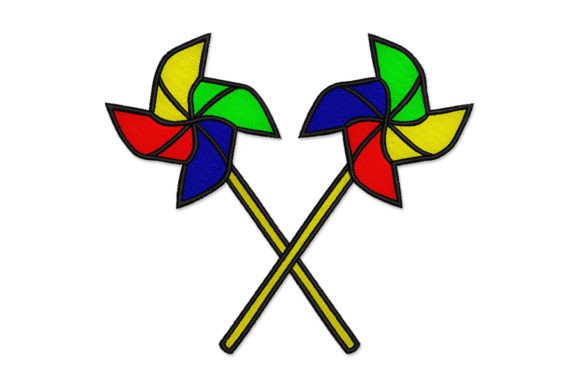
As an embroidery designer who has spent years digitizing and testing files for commercial use, I approach every new machine embroidery design with a critical eye. It is not just about whether the artwork looks cute on a screen; it is about how it performs under the needle, how it holds up after washing, and most importantly, how it elevates a brand. Today, I am reviewing Pinwheel, a versatile design that bridges the gap between playful nursery decor and professional branded merchandise.
The product description highlights its utility for toys, baby clothes, and framed art. However, for small business owners, boutique owners, and apparel decorators, the potential extends far beyond the nursery. Let us dissect how this digital embroidery file can serve as a powerful asset for your small business merch strategy.
First Impressions: Visual Personality and Brand Fit
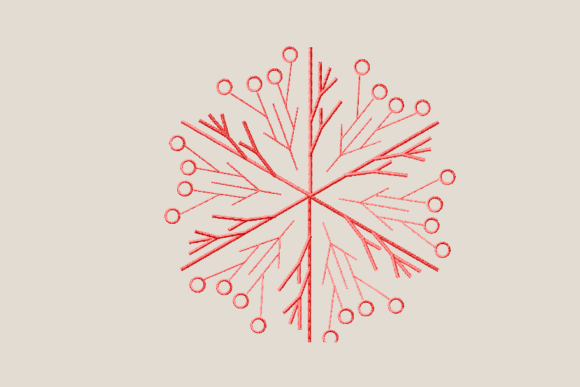
When I first loaded the Pinwheel design into my editing software, the immediate impression was one of approachable charm. The geometry of a pinwheel suggests movement, joy, and simplicity. For a brand, this translates to a personality that is friendly, handmade, and trustworthy. It does not scream "corporate coldness"; instead, it invites engagement.
This visual tone is crucial for specific industries. If you run a bakery, a florist, a pet brand, or a creative studio, Pinwheel offers a decorative yet structured element that feels premium without being stiff. It works exceptionally well for brands that want to project a sense of care and craftsmanship. The design feels modern enough to fit contemporary aesthetics but classic enough to avoid looking like a fleeting trend. This balance is rare in embroidery assets and makes it a strong candidate for long-term brand identity development.
Real-World Applications for Commercial Embroidery
The true test of any design is its versatility across different substrates. Here is how Pinwheel performs in real business scenarios:
- Embroidered Patches: This is perhaps the strongest use case. A pinwheel motif creates a distinct, recognizable shape that works beautifully as a woven or embroidered patch. You can sew these onto tote bags, denim jackets, or even use them as sealants for packaging. The circular nature of the design allows for clean edging, which is vital for professional-looking patches.
- Staff Uniforms and Aprons: For cafés and boutiques, staff presentation is part of the customer experience. Embroidering Pinwheel on the chest pocket of an apron or the sleeve of a work shirt adds a subtle touch of branding. It is less aggressive than a large back print but more personal than a generic logo. It signals attention to detail.
- Cap Embroidery: Caps are high-value merchandise items. The compact nature of a pinwheel fits well on the front panel of a dad hat or baseball cap. However, placement is key. It should be centered and scaled appropriately to avoid distortion on the curved surface.
- Tote Bag Design: Canvas totes are staples for handmade brands. A medium-sized Pinwheel embroidered on the corner or center of a tote bag transforms a simple utility item into a fashionable accessory. It increases the perceived value of the finished product significantly.
Technical Considerations and Stitch Density
While the aesthetic appeal is high, we must address the technical execution. As a designer, I always advise checking the stitch density before running a full production batch. Designs intended for toys and baby clothes often prioritize softness, which might mean lower density. However, for commercial durability on uniforms or bags, you need to ensure the coverage is sufficient to prevent fabric show-through, especially on dark garments.
If you are using this on textured fabric, such as heavy canvas or terry cloth, the fine details of the pinwheel blades might get lost. In such cases, increasing the size slightly or using a contrasting thread color can help maintain visibility. Always test on the actual material you plan to use. A printable mockup is helpful for client approval, but nothing replaces a physical test stitch-out.
Another critical factor is the hoop size. Ensure that the design fits within your standard hoop capabilities without requiring excessive re-hooping, which can lead to misalignment. Since the product comes with multiple file formats, select the one that matches your machine’s native language to minimize conversion errors.
Where to Use Caution
Not every application is suitable. Avoid using Pinwheel at very small sizes where the intricate lines of the blades might merge into a blob. This is common when attempting tiny chest logos on thick fleece or pique polo shirts. Additionally, be cautious with high-wear areas. If placed on the cuff of a sleeve or the bottom hem of an apron, the design may suffer from friction and frequent washing.
For dark uniforms, ensure you have a solid underlay or choose thread colors with high contrast. Pastel threads on navy blue shirts, for example, may lack the pop needed for effective branding. Always review thread colors against your brand palette to ensure consistency.
Enhancing Brand Identity and Customer Trust
Why does this matter for your bottom line? Because consistent, high-quality embroidery builds trust. When a customer receives a tote bag or a cap with a cleanly stitched Pinwheel design, they perceive the brand as professional and established. It moves your custom apparel from "promotional giveaway" to "desirable product."
For Etsy sellers and crafters, offering items with this design can differentiate your shop. It adds a layer of sophistication to handmade product lines. Whether used as a standalone motif or combined with text, it serves as a visual anchor that customers remember. It enhances buyer engagement by providing a tactile, premium experience that digital prints cannot match.
Practical Designer Notes for Production
Before you launch your next collection featuring Pinwheel, follow these steps:
- Test in Black and White: Remove color from the design in your software to check for clarity. If the shape is not recognizable without color, it may be too detailed for small applications.
- Check Stabilizer Requirements: Use the appropriate stabilizer for your fabric. Cut-away stabilizer is often best for garments that will be washed frequently, while tear-away may suffice for decorative items like framed art.
- Verify Licensing: Although this is a commercial embroidery asset, always confirm the specific license terms provided with the file. Ensure you are compliant regarding the number of physical items you can produce.
- Create Design Assets: Take high-quality photos of your test stitches. Use these images in your marketing materials to show the texture and quality of the embroidery. This helps manage customer expectations.
- Compare Beside Other Assets: Place the embroidered sample next to your printed labels and packaging. Ensure the visual weight of the pinwheel balances well with your other design assets.
In conclusion, Pinwheel is a robust addition to any embroidery library. It offers the flexibility needed for diverse Toys and apparel applications while maintaining the professional standards required for small business branding. By paying attention to stitch density, fabric choice, and placement, you can leverage this design to create memorable, high-value merchandise that resonates with your audience.