Cotton Embroidery Design: A Designer’s Review for Craft Fairs
As an embroidery designer who has spent countless weekends behind a booth table, I know that not every machine embroidery design translates well from screen to sales. When I first loaded the Cotton file into my software, I was looking for more than just aesthetic appeal; I was looking for commercial viability. This review breaks down how this specific design performs in the real world of handmade markets, focusing on what matters most to Etsy sellers and boutique makers: visual impact, production efficiency, and customer engagement.
First Impressions: Purity Meets Vibrancy
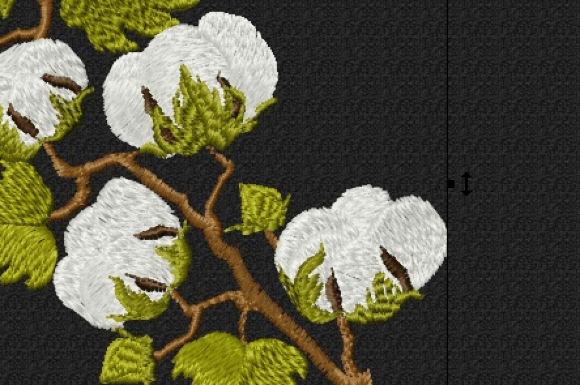
The product description highlights "bright and inviting colors" that capture the purity of the cotton plant. In practice, this suggests a design that balances freshness with warmth. For a craft fair environment, where buyers scan tables quickly, this contrast is vital. The design does not feel overly rustic or strictly farmhouse; instead, it leans toward a modern, organic elegance. It feels soft yet decorative, making it versatile enough for various handmade product lines.
Because the design can be embroidered with both silk and cotton threads, it offers a unique textural opportunity. Using cotton thread maintains a matte, natural look ideal for kitchen goods, while silk adds a subtle sheen that elevates the piece for higher-end gift items. This flexibility is a significant advantage for small shop owners who want to offer tiered pricing based on material quality.
Product Applications and Market Fit
To determine the best use for Cotton, I mentally placed it on several standard craft fair staples. Here is how it performs across different categories:
- Tote Bags and Market Bags: This is arguably the strongest application. The bright colors pop against natural canvas or white cotton tote bags. As a tote bag design, it serves as a focal point that draws attention from aisle walkers. It signals eco-consciousness and style simultaneously.
- Apron Embroidery: Placed on the bib or pocket, the design adds a professional touch to kitchen wear. It transforms a basic utility item into a giftable craft fair product. The inviting colors suggest warmth and hospitality, which resonates with buyers looking for housewarming gifts.
- Tea Towel Embroidery: While beautiful, caution is needed here. Tea towels have a loose weave. If the stitch density is too high, the fabric may pucker. However, if the design uses open spaces effectively, it creates a lovely accent. Always test on actual towel fabric before batch production.
- Pillow Covers and Bedroom Decor: Although categorized under Bedroom, this design works best as an accent pillow rather than a full bedding set. It adds a touch of nature-inspired calm to a living space. The purity of the motif aligns well with minimalist or botanical interior trends.
- Embroidered Patches and Caps: For curved surfaces like caps, the design must be simplified. If Cotton contains fine details, they may get lost on textured twill. However, as a flat embroidered patch, it could be a hit for iron-on applications, allowing customers to customize their own denim jackets or bags.
Production Practicality for Small Shops
For the busy Etsy seller or weekend warrior, time is money. A design that is difficult to hoop or requires excessive trimming will eat into profits. Cotton appears to be designed for clarity. The "perfect blend" mentioned in the description implies balanced stitch paths that should minimize thread breaks and jumps.
When preparing for a fair, batch production is key. This design seems repeatable. You can hoop multiple tote bags or aprons in advance. The bright color palette ensures that even if you are using standard thread colors, the result looks vibrant and fresh. It photographs exceptionally well for online listings, reducing the need for heavy editing in your printable mockup or digital catalog.
Technical Considerations and Careful Use
While the design is promising, experienced embroiderers know that every file has quirks. Here are critical points to check before running a large batch:
- Fabric Texture: On thick fabrics like denim or textured towels, ensure the needle size matches the thread weight. The design’s clarity depends on clean stitch entry and exit points.
- Stabilizer Choice: Because the design captures "purity," any distortion will be noticeable. Use a cut-away stabilizer for stretchy fabrics like tote bags to prevent sagging over time. For woven aprons, a tear-away may suffice if the stitch density is low.
- Size and Clarity: If you plan to use this on small items like pouches or coin purses, verify that the tiny details do not merge. A design that looks crisp at 5 inches may become a blob at 2 inches. Always stitch out a test sample at the smallest intended size.
- Dark Fabric Contrast: The description mentions bright colors. On dark navy or black fabrics, ensure you have adequate underlay stitches to prevent the background fabric from showing through the lighter thread colors.
Enhancing Brand Consistency and Visual Appeal
In a crowded marketplace, brand consistency builds trust. Cotton offers a cohesive look that can tie together a entire product line. Imagine a booth display where the tote bags, aprons, and pillow covers all feature this same botanical motif. It creates a curated, professional appearance that screams "designer quality" rather than "random crafts."
This visual consistency increases buyer engagement. Customers are more likely to purchase multiple items if they see a theme. Furthermore, the design’s aesthetic supports a narrative of natural living and handmade care, which are powerful selling points for commercial embroidery businesses targeting conscious consumers.
Final Designer Notes for Implementation
Before you list this as a digital embroidery file or start stitching finished products, take these practical steps:
- Test on Scrap Fabric: Never skip this step. Check for puckering and thread tension issues specific to your machine.
- Verify Hoop Size: The description does not specify exact dimensions. Check the file properties to ensure it fits your standard hoops without resizing, which can distort stitch density.
- Check Commercial Licensing: If you are buying this as a design asset to sell finished goods, confirm the license terms. Some designers allow unlimited physical sales, while others have caps.
- Create Real Mockups: Instead of relying solely on digital previews, stitch one sample item and photograph it in natural light. This image will perform better in your Etsy listings than a computer-generated preview.
In conclusion, Cotton is a strong contender for spring and summer craft fairs. Its versatility across small shop products like aprons and totes, combined with its inviting aesthetic, makes it a reliable choice for expanding your inventory. By paying attention to fabric texture and stabilizer choices, you can ensure that every finished product reflects the high quality your brand promises.