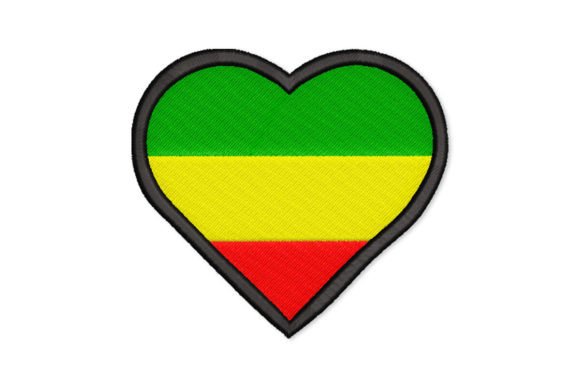
Reviewing the African Flag Embroidery Design for Craft Fairs
As an experienced embroidery designer who has spent countless weekends behind a booth table, I know that not every machine embroidery design translates well from screen to sales. When I first loaded the African Flag file into my software, my immediate reaction was one of cautious optimism. This is not just another floral motif or generic quote; it is a statement piece. The design represents the flag of one of the countries in Africa, featuring distinctive colors that demand attention. For craft fair sellers and handmade shop owners, this visual boldness is a double-edged sword that requires careful handling to maximize profit.
First Impressions and Visual Impact
The first thing you notice about the African Flag design is its inherent boldness. It does not whisper; it speaks. In a crowded marketplace filled with pastel farmhouse decor and minimalist line art, this design stands out due to its high contrast and cultural significance. It feels festive, proud, and modern. However, because it relies on specific color blocks and symbolic geometry, it lacks the "soft" appeal of traditional rustic embroidery. This means it will not sell to everyone, but it will sell intensely to the right customer.
For an Etsy seller or boutique maker, this design offers a chance to tap into a niche market of buyers looking for heritage pride, travel memories, or vibrant home decor. The key is recognizing that this is a premium, eye-catching element. It is not a background filler. When placed on a product, it becomes the focal point. This makes it ideal for items where the center of the fabric is prominent, such as tote bags or pillow covers, rather than items where the design might be obscured by folds or wear.
Product Suitability and Sales Potential
When preparing a table display for a weekend craft fair, I always categorize designs by their best application. The African Flag performs exceptionally well on specific craft fair products. Here is how it stacks up across common handmade items:
- Tote Bags: This is arguably the best vessel for this design. A canvas tote provides a flat, stable surface that allows the distinctive colors to pop. As a tote bag design, it appeals to students, travelers, and anyone wanting a durable, stylish accessory.
- Aprons: An apron embroidery project using this flag can create a striking kitchen accessory. However, ensure the placement is high on the bib so it remains visible when the apron is tied.
- Tea Towels: While tea towel embroidery is popular, be cautious. The textured weave of some towels can distort small details. If the flag design has fine lines, they may get lost in the fabric texture.
- Embroidered Patches: Creating an embroidered patch allows customers to buy the symbol without committing to a full garment. These are excellent impulse buys at a booth.
- Caps and Hats: Curved surfaces are tricky. If the design is wide, it may warp on a cap. Only use this if the digitizer has optimized it for curved hoops.
For small shop products like fabric pouches or market bags, the design adds significant perceived value. It transforms a plain item into a handmade product with a story. Buyers often engage more with items that represent identity or culture, leading to longer booth visits and higher conversion rates.
Production Practicalities and Technical Notes
Before you commit to batch production, you must evaluate the technical aspects of this digital embroidery file. Since the product description notes that it features distinctive colors, thread management is critical. You will need to ensure your machine can handle multiple color changes efficiently. If the design has high stitch density, it may cause puckering on lightweight fabrics. Always use a appropriate stabilizer—likely a cut-away for stretchy materials or a tear-away for stable cottons—to maintain the integrity of the flag's shape.
One major concern with flag designs is the clarity of small details. If the African Flag includes any tiny elements or thin lines, they may break or look messy at smaller sizes. I recommend testing the design on scrap fabric first. Check the thread colors against your fabric choice. Dark fabrics can swallow dark threads, reducing contrast. If you are embroidering on navy or black, consider adding a white underlay or choosing a lighter fabric base to ensure the flag remains recognizable.
Also, verify the hoop size requirements. A design that is too large for a standard 4x4 hoop may require re-hooping or a larger machine, which slows down production. For craft fairs, speed and repeatability are essential. If the design takes twenty minutes to stitch and requires constant thread trimming, it may not be cost-effective for low-priced items like patches.
Marketing and Brand Consistency
From a marketing perspective, the African Flag design strengthens brand consistency for sellers focusing on global, cultural, or vibrant aesthetics. It photographs beautifully for online listings, provided the lighting captures the true hue of the threads. Use a printable mockup to show potential buyers how the design looks on different products before you stitch a single item. This saves time and helps you visualize the final finished product.
When creating design assets for your shop, emphasize the quality of the digitizing. Mention that this is a professional commercial embroidery file suitable for resale. However, always check the license terms. The description states it is a digital design file, but it does not specify if commercial use is included. Never assume. Contact the creator or check the download folder for a license file before selling items made with this design.
Final Verdict for the Craft Fair Booth
In conclusion, the African Flag is a powerful addition to your portfolio if used correctly. It is not a subtle accent; it is a centerpiece. It works best on flat, stable surfaces like totes and pillows where the colors can shine without distortion. Avoid using it on highly textured fabrics or very small items where detail loss is likely. By testing on scrap fabric, choosing the right stabilizer, and respecting the color contrast, you can create high-value items that draw customers to your booth. Remember, in the world of handmade goods, clarity and quality are what turn a glance into a sale. Ensure your embroidery file is optimized, your materials are premium, and your presentation highlights the pride and beauty inherent in the design.